How Modern Pest Control Services in Sussex County Use Advanced Techniques
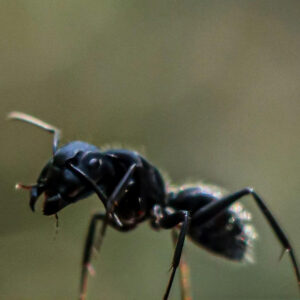
Sussex County presents a particular kind of pest pressure. It has wooded lots, wetlands, older homes, newer developments carved out of former fields, shore influence in some areas, and a climate that gives insects, rodents, and nuisance wildlife enough seasonal variation to keep professionals busy all year. Anyone who has worked in the field here for long learns quickly that there is no single playbook. The technician treating carpenter ants in a historic home with a damp crawl space is solving a different problem than the one handling mice in a tight, newly built townhouse or mosquitoes around a backyard bordered by standing water and dense shade.
That is why modern pest control looks very different from the old image many homeowners still carry around, the image of someone arriving with a tank, spraying baseboards, and leaving. The better pest control companies now rely on inspection tools, species-specific materials, moisture readings, exclusion work, monitoring devices, detailed recordkeeping, and treatment plans that change with the property and the season. For residents searching for Pest Control Services Sussex County, that evolution matters. It means faster identification, more targeted treatment, less unnecessary pesticide use, and better long-term control.
What “advanced” really means in pest control
In practice, advanced techniques are not about making the process sound more technical than it is. They are about accuracy. A good technician does not just ask, “What bug did you see?” They ask where it was found, what time of day it appeared, how often it has shown up, what the weather has been doing, whether there has been recent construction nearby, whether the home has a sump pump or crawl space, and whether there are pets, children, or sensitive occupants to consider.
Those details change the treatment. A cluster of ants around a kitchen sink could suggest pavement ants trailing indoors, or carpenter ants exploiting moisture damage in a wall void. Seeing large black ants after rain means something different from seeing tiny ants year-round near a dishwasher. Spraying both situations the same way is lazy work, and it often fails.
Modern pest control starts with diagnosis, because the material used is only as good as the assessment behind it. That is a lesson technicians learn the hard way early in their careers. Many callbacks happen not because the product was weak, but because the pest was misidentified or the entry conditions were left untouched.
Inspection has become more precise
One of the biggest changes in the industry is how much more detailed inspections have become. In Sussex County, technicians routinely evaluate not just the interior signs of activity, but also the structural and environmental conditions that support that activity. They inspect attic vents, crawl spaces, sill plates, garage thresholds, utility penetrations, mulch depth, gutter discharge, wood-to-soil contact, and grading around the foundation.
Moisture meters are especially useful. Subterranean termites, carpenter ants, and some wood-destroying organisms track closely with damp conditions. A wall section that reads significantly higher than surrounding material gives a skilled technician a useful clue. It may point to a plumbing issue, poor exterior flashing, or condensation around HVAC lines. Without finding that moisture source, treatment often becomes a short-term patch.
For rodent work, inspection has grown more disciplined as well. Professionals look for rub marks, grease streaks, gnawing patterns, droppings by size and shape, and runway behavior. Mouse activity near pantry shelving looks different from rat pressure around a crawl space or detached shed. Advanced service is not about placing more traps. It is about placing the right devices in the right locations, after reading the property correctly.
Thermal cameras sometimes enter the picture, though they are not magic tools and experienced operators know their limits. They can help identify temperature anomalies tied to void activity, insulation disturbance, or moisture issues, but they are best used as one piece of a broader inspection, not as proof on their own.
Integrated pest management is now the backbone
The most effective companies in Sussex County work from an integrated pest management approach, whether they use that exact phrase with customers or not. The idea is simple. Control pests with a combination of inspection, monitoring, habitat modification, exclusion, sanitation guidance, and targeted treatment, rather than relying on repeated blanket applications.
That sounds straightforward, but it requires judgment. Consider German cockroaches in a multifamily setting. Spraying exposed surfaces may kill some active insects, but if grease buildup behind appliances, plumbing leaks under sinks, and cluttered harborages remain untouched, the population rebounds. The stronger solution often combines gel baits placed in protected cracks and voids, insect growth regulators to interrupt reproduction, sticky monitors to map activity, and property management coordination to address maintenance issues.
The same principle applies outdoors. Mosquito reduction is stronger when larval habitats are treated, gutters are kept clear, dense vegetation is managed, and irrigation practices are reviewed. Broad exterior spraying alone may provide temporary relief, but it rarely solves the underlying breeding pressure if water is consistently available.
For homeowners, this means the best Pest Control Services Sussex County may ask questions that seem unrelated at first. They may want to know how often a basement dehumidifier runs, whether bird seed is stored in the garage, or if firewood sits against the house. Those are not side issues. They are Affordable Pest Solutions LLC Pest Control Services Sussex County usually part of the reason the pests are there.
Baits, non-repellents, and targeted chemistry have changed the game
A major shift in modern pest control is the move toward products designed for transfer, delayed action, and reduced detectability by the pest. That matters because many insects do not live in exposed, easy-to-treat locations. They travel through wall voids, under slabs, behind insulation, and within nesting sites that a simple surface spray never reaches.
Non-repellent products are a good example. Traditional repellents can push insects away from a treated area, which sounds helpful until you realize it may scatter an ant colony or deflect termites from one route to another. Non-repellents allow pests to contact treated zones without immediately avoiding them, increasing the chance of transfer through social behavior. In ant and termite work, that subtle difference can greatly improve results.
Gel baits transformed roach and ant control for the same reason. When placed correctly, in the right amount and in the right competing-food conditions, they exploit feeding and sharing behavior inside the colony. The skill lies in the placement. Too much bait, or bait applied in dirty areas where it degrades quickly, can reduce performance. So can using sprays nearby that contaminate the bait or drive insects away from it. The advanced part is not merely owning the product. It is knowing how different formulations interact and when to avoid combining them.
Insect growth regulators deserve mention too. These materials interfere with development and reproduction rather than delivering a fast visible knockdown. Some customers expect instant results and need that difference explained. A technician who understands pest biology can explain why a slower, more strategic program often outperforms a quick-contact treatment over the following weeks.
Termite work is more technical than many homeowners realize
Sussex County properties can face termite pressure, especially where moisture, mulch, wood contact, or conducive soil conditions exist. Modern termite control is one of the clearest examples of how advanced techniques have replaced blunt-force treatment.
Today, termite management may involve a combination of careful inspection, drilling and injection in specific areas, trenching around foundation segments where appropriate, foam applications in active galleries, and exterior baiting systems that are monitored over time. Each method has strengths and limitations. Liquid termiticides can create an effective treated zone when installed correctly, but access conditions matter. Bait stations can be highly effective for colony elimination and ongoing monitoring, but they require proper placement and follow-up, not a one-time drop into the ground and forget about it.
Older Sussex County homes create special challenges. Stone foundations, additions built over time, hidden voids, and previous repairs can complicate both diagnosis and treatment access. On these properties, experience counts. A technician may notice subtle clues such as mud tubing behind insulation, swarm evidence around old window trim, or moisture patterns near chimney bases that a less seasoned eye might miss.
Homeowners are often surprised to learn that termite prevention is not just about chemistry. Reducing wood-to-soil contact, fixing grade issues, improving ventilation in crawl spaces, and keeping cellulose debris away from the structure all lower risk. Advanced service blends those recommendations into the treatment plan instead of pretending the product alone carries the entire burden.
Exclusion has become a central service, especially for rodents
For mice and rats, exclusion is often the dividing line between recurring frustration and durable control. Trapping can reduce an active population quickly, but if entry points remain open, the next cold snap brings a new wave indoors. Sussex County technicians deal regularly with gaps around garage doors, utility penetrations, roofline junctions, foundation cracks, worn weather stripping, and construction seams that look insignificant to the owner but function as highways for rodents.
The strongest companies document those openings with photos and measurements. They seal with materials chosen for the location, not whatever happens to be in the truck. Copper mesh, sealants, metal flashing, hardware cloth, door sweeps, and vent guards each have their place. Poor exclusion work fails fast. Rodents chew through weak materials, moisture ruins an exterior patch, or a repair blocks one route only to redirect traffic to another.
There is also a sequencing issue that experienced professionals take seriously. If you seal too aggressively before reducing an active interior population, you can create die-off in inaccessible wall voids or force rodents into living spaces. If you trap without sealing, you create an endless service loop. Good rodent control usually follows a deliberate progression: assess activity, identify entry routes, reduce the active population, seal strategically, then monitor.
A practical way to understand modern rodent work is to look at the problems technicians are trying to solve at once:
- Stop new animals from entering.
- Remove the ones already inside.
- Protect food and nesting resources.
- Monitor for re-entry after repairs.
- Adjust the plan for season and structure type.
That level of coordination is why rodent service has become more specialized than many people expect.
Digital monitoring is improving follow-up
Technology now plays a larger role in both residential and commercial service. In sensitive environments such as food service, healthcare, storage, and property management, digital monitoring devices can track trap activity, alert technicians to captures, and provide service records that are easier to audit. Even in homes, photo documentation and mobile reporting have improved communication between technician and customer.
This may sound like an administrative improvement more than a pest control one, but it changes outcomes. Better records reveal patterns. A technician can compare activity by location, season, and treatment type. They can see whether a recurring issue is truly recurring or whether it shifted from one side of the property to another after a landscape change. They can note that yellowjackets return annually to the same eave void, or that spring ant pressure increases after heavy April rain near a specific downspout.
That kind of pattern recognition used to live mostly in a veteran technician’s memory. Now it can be recorded, shared, and built into future service decisions.
Mosquito and tick control has become more site-specific
Backyard insect programs have also matured. Sussex County residents often want outdoor spaces they can actually use through warm months, especially where trees, ornamental plantings, or water features create ideal habitat. The old expectation was simple fogging. The current reality is much more nuanced.
Mosquito control works best when technicians inspect for breeding sources, resting zones, and property features that hold humidity. Shaded undersides of leaves, clogged gutters, child toys that collect water, low spots in landscaping, and neglected drains all matter. Treatments are often targeted to foliage and harborage zones rather than applied indiscriminately across the yard.
Tick control follows similar logic. Edge habitats, stone walls, leaf litter, transition zones between lawn and woods, and wildlife traffic corridors receive the most attention. A technician who understands the property can concentrate effort where exposure risk is highest. Homeowners appreciate that because it is usually more efficient and often more effective than broad, untargeted applications.
There is always a trade-off to discuss. Outdoor control can significantly reduce pest pressure, but heavily wooded or high-moisture properties may need more frequent service than open, sunny lots. Weather also matters. Heavy rain after treatment, prolonged humid stretches, and strong winds can all influence performance and scheduling. Honest companies explain those variables instead of promising unrealistic permanence.
Bed bug service now relies on layered tactics
Bed bugs remain one of the most demanding household pests because they hide well, spread easily through belongings, and carry a social stigma that causes people to delay calling for help. Modern treatment has improved, but success still depends on thoroughness.
Advanced bed bug work often includes a detailed room-by-room inspection, interceptors or monitors, vacuuming of visible insects where appropriate, targeted crack-and-crevice treatment, dust applications in selected voids, steam in certain locations, encasements, and carefully timed follow-up visits. Some providers also use canine detection in specific scenarios, especially when the scope of activity is unclear.
What has changed most is the quality of the inspection and the realism of the treatment plan. Quick, superficial service rarely solves bed bugs. A strong technician checks headboards, frame joints, screw holes, upholstered seams, nearby furniture, baseboards, and any clutter zones where bugs can harbor. They also give the occupant clear preparation guidance and explain what signs to watch for between visits.
The hardest part is often not the application itself, but managing expectations. Bed bugs can persist if prep is incomplete, if adjoining units in multifamily buildings are involved, or if belongings are repeatedly reintroduced without care. Advanced service is careful, repetitive where needed, and heavily dependent on communication.
Wildlife, stinging insects, and the edge cases that test experience
Not every call fits neatly into a standard service plan. Sussex County properties generate plenty of oddball situations. A yellowjacket nest inside a wall void near a child’s bedroom requires a very different approach than a paper wasp nest under a deck rail. A squirrel in the attic is not just a removal problem if the entry point is at a roof return where multiple trades have left gaps over the years. Cluster flies in a sunny upper-story bedroom are tied to seasonal wall void behavior, which means killing visible flies without addressing the pattern does little.
This is where professional judgment shows. The best technicians know when not to over-treat, when to open a wall, when to leave a nest alone because it is inactive, when to involve a roofer or plumber, and when customer habits are contributing more than they realize.
I have seen cases where a homeowner was certain a monthly spray program had failed, when the actual issue was a leaking hose bib soaking a wall cavity and attracting carpenter ants from outside. I have also seen the opposite, where a small exterior ant issue became an interior colony because someone kept applying consumer aerosol products that repelled the ants deeper into the structure. Both examples point to the same truth: advanced pest control is often less about using more product and more about using better reasoning.
What homeowners should expect from a modern provider
When residents compare Pest Control Services Sussex County, they should look beyond the sales pitch and focus on how the company thinks. Good service tends to have a few recognizable traits:
- The inspection is detailed and specific to the property.
- The technician explains why the pest is there, not just how they will treat it.
- The plan includes prevention steps, not only applications.
- Follow-up is based on pest biology and observed activity.
- Records, photos, and recommendations are clear and usable.
That may sound basic, but it separates serious operators from companies that rely on generic programs and hope repeat visits will make up for weak diagnostics.
Customers should also expect candid conversations about limits. No ethical provider can promise a zero-pest environment in every situation, especially on wooded lots, near water, or in structures with unresolved maintenance issues. What a strong provider can do is reduce pressure substantially, respond quickly to changes, and build a management plan that fits the property rather than forcing the property into a template.
Why local knowledge still matters, even with better tools
Advanced techniques are valuable, but they do not replace local experience. Sussex County has its own rhythm. Moist springs can drive ant and termite calls early. Summer brings mosquitoes, wasps, and outdoor nuisance pressure. Fall shifts attention to rodents seeking warmth. Winter exposes hidden entry points as mice follow heat and food indoors. A technician who has worked the area for years recognizes those patterns before the phone starts ringing nonstop.
They also understand the construction differences across neighborhoods. Older homes with fieldstone or partial basements behave differently than slab-on-grade homes or recently developed communities with tightly sealed exteriors and complex rooflines. Shore-adjacent moisture issues differ from inland wooded properties. Those details influence not just what pests show up, but how they move through the structure and what treatment options make sense.
The best modern pest control blends that local knowledge with sharper inspection methods, better materials, improved monitoring, and a preventive mindset. It is not flashy. It is disciplined. It looks like someone noticing the small gap under a side door that everyone else missed, identifying the ant species before touching a product, checking a damp sill plate instead of guessing, or explaining that the real fix starts with drainage and exclusion, not another round of broad spraying.
That is where the industry has quietly improved the most. Effective pest control has become less theatrical and more precise. For Sussex County homeowners, that is a good trade. It means fewer wasted treatments, more accurate solutions, and a better chance that when pests show up, they are handled in a way that actually lasts.
Affordable Pest Solutions LLC
Based in Budd Lake, New Jersey 07828
Service area: Sussex County, Morris County, and Warren County, New Jersey
+1 973-229-9547
FAQ About Pest Control Services Sussex County
What is included in a pest control service in NJ?
A visit generally starts with an inspection to identify the pest and assess activity, access points, and contributing conditions. The proposed service may include treatment, monitoring, exclusion recommendations, and follow-up. Ask which pests and areas are covered by the written quote.
How much does a pest controller charge in NJ?
Pricing depends on the pest, property size, severity of activity, and work required. A single treatment and an ongoing plan can have different costs and coverage. Request an inspection-based estimate that explains the included work, follow-up fees, and warranty terms.
How to prepare my home for pest control?
Ask for instructions specific to the planned service. The technician may need access to inspection areas and may ask you to move belongings or protect food and dishes. Mention pets, aquariums, and any household concerns beforehand. Follow the product label and the technician's instructions about leaving and re-entering treated areas.