Common Household Pests Treated by Pest Control Services in Sussex County
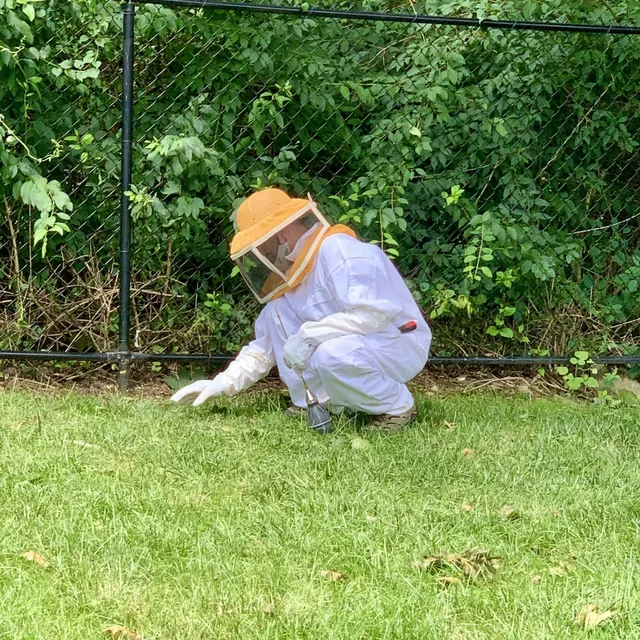

Sussex County gives pests almost everything they need. There are wooded lots, older homes with crawl spaces, humid summers, cold snaps that drive insects indoors, and a steady mix of seasonal moisture that helps populations rebound fast. A quiet neighborhood can still have mice in the attic, ants in the kitchen wall, yellowjackets under the deck, and mosquitoes breeding in a low spot behind the shed, all at the same time.
That is why homeowners often end up calling Pest Control Services Sussex County residents rely on, not because they saw one bug and panicked, but because they started noticing a pattern. A few droppings under the sink. A rustling sound after dark. A line of tiny ants returning every morning no matter how often the counter gets wiped down. Pest problems rarely stay small if the conditions stay favorable.
The common pests in Sussex County are not all handled the same way. Some can be corrected with exclusion and sanitation. Others need a broader treatment plan, ongoing monitoring, or seasonal service timed to life cycles and weather. Knowing what professionals typically treat, and how those infestations behave in real homes, helps set realistic expectations before the first service visit.
Ants that do more than raid the sugar jar
Ants are one of the most frequent service calls in residential pest control, and they are often underestimated. Many homeowners assume ants are mostly a housekeeping issue. Sometimes they are, but not always. In Sussex County, technicians regularly deal with odorous house ants, pavement ants, carpenter ants, and other species that each require a slightly different approach.
Odorous house ants are the classic kitchen invaders. They turn up around sinks, dishwashers, pet bowls, and pantry shelves. They are persistent because the visible trail is only part of the colony’s activity. Wiping up the scouts may make the floor look better for an hour, but it does not reach the nest inside a wall void, under insulation, or near a foundation seam. Effective treatment usually Pest Control Services Sussex County combines baiting with a careful inspection for moisture and access points.
Carpenter ants deserve special attention. They do not eat wood the way termites do, but they excavate it to build galleries. In practice, that means they often show up where there is damp, softened wood around windows, roof lines, chimneys, and deck attachments. A mature colony can be large, and satellite colonies are common. One of the more telling field signs is seeing big black ants indoors in late winter or spring, especially near a bathroom or an exterior wall. That is often less about crumbs and more about a structural moisture issue that should be corrected alongside treatment.
Pavement ants are another routine nuisance around walkways, patios, garage slabs, and foundation edges. Their colonies can spread broadly outdoors and then push inside when weather shifts. A homeowner might notice tiny piles of displaced soil in cracks, then see foragers in the kitchen a day later. This is one reason professionals spend time outside the home as well as inside. Treating only the visible indoor activity often leads to repeat calls.
Termites and the damage homeowners do not see right away
In Sussex County, termite concerns are taken seriously because damage can advance quietly. Subterranean termites are the primary issue in many Mid-Atlantic areas. They live in the soil, need moisture, and build shelter tubes to travel while staying protected. Most homeowners do not discover them during the first stage of activity. They find mud tubes along a foundation wall, wings left behind after a swarm, or soft wood during another repair.
The challenge with termites is that the visible evidence may represent only a fraction of the colony’s activity. A small blister in paint or a slightly warped window trim can end up tracing back to hidden feeding. That is why professional termite work is inspection-heavy. Technicians look at grading, mulch depth, wood-to-soil contact, crawl space moisture, foundation penetrations, and previous construction details that create concealed pathways.
Treatment options vary with the structure and infestation pressure. In some homes, soil treatments around the foundation make sense. In others, especially where monitoring and long-term colony suppression are priorities, baiting systems may be a better fit. There is no single best answer for every property. Homes with wells, extensive hardscaping, additions built over time, or finished basements often require more tailored planning than homeowners expect.
A point worth stressing is that termites are not a cleanliness issue. Meticulously kept homes can still have them. The risk comes from construction details, moisture, and contact with conducive conditions outdoors. That distinction matters because it keeps people focused on the real prevention work rather than the wrong assumptions.
Rodents move in faster than most people think
Mice and rats are among the most disruptive household pests because they bring both contamination and property damage. They chew wiring, shred insulation, foul storage areas, and exploit tiny entry points. A house does not need a visible gap under the door to have a rodent problem. Mice can use openings around utility lines, garage corners, roof junctions, foundation vents, and worn weather stripping.
In Sussex County, rodent pressure often spikes as temperatures cool, but activity is not limited to fall and winter. Homes near fields, bird feeders, woodpiles, and dense shrubbery can see pressure year-round. What starts as a few noises in the wall can quickly become a broader infestation if access points stay open.
Professionals usually approach rodents in phases. First comes inspection and identification. Mouse activity looks different from rat activity, and the control plan should reflect that. Second comes trapping or baiting based on the location, risk level, and household conditions, especially if children or pets are present. Third, and this is where many do-it-yourself efforts fail, comes exclusion. If entry points are left open, removal becomes temporary maintenance rather than resolution.
A common real-world scenario involves a homeowner setting snap traps in the basement and catching one mouse every few days, yet the noises continue upstairs. When that happens, the problem is usually larger than the basement. The mice may be nesting in insulation, entering through multiple exterior gaps, and traveling along plumbing chases. Without a full inspection, the effort becomes a loop of short-term catches and recurring activity.
Cockroaches thrive where people do not expect them
Cockroaches carry a strong stigma, and many people still associate them only with severe filth. Field experience says otherwise. Yes, poor sanitation can intensify an infestation, but roaches also show up in clean homes, especially where there is moisture, cluttered storage, cardboard, shared walls, or a recent delivery or used appliance that carried them in.
German cockroaches are the species that most often trigger urgent service calls inside kitchens and bathrooms. They reproduce quickly and stay close to heat, food, and water. Seeing even a few during the day often suggests a larger population hidden behind appliances, inside cabinet voids, or under sinks. This is not a pest where broad over-the-counter spraying tends to help. In many cases, it makes control harder by scattering them or contaminating bait placements.
American cockroaches are larger and often associated with basements, crawl spaces, utility areas, and sewer-connected environments. In Sussex County, these can appear in older homes or buildings with moisture issues. They are not always evidence of a kitchen infestation, but they do signal that an environmental condition is supporting them.
Professional roach control usually relies on a combination of targeted baits, insect growth regulators, crack-and-crevice applications, and detailed sanitation recommendations. Follow-up matters. With German roaches in particular, one treatment rarely solves a significant infestation. The best outcomes happen when the service plan is paired with practical housekeeping changes, leak repair, and reduction of harborages like paper bags, stacked cardboard, and crowded cabinets.
Stinging insects create urgency very quickly
Wasps, hornets, and yellowjackets are a different category of pest problem because people call not only from annoyance, but from legitimate safety concerns. In Sussex County, nests often appear under eaves, inside shutters, behind siding, in shrubs, in wall voids, and especially in ground cavities or old rodent burrows.
Yellowjackets are often the most aggressive during late summer and early fall, when colony size peaks and food-seeking behavior becomes more noticeable around trash, outdoor dining, and pet food. Homeowners frequently discover a nest by accident while mowing or trimming. A single pass over the wrong patch of lawn can turn into a swarm event in seconds.
Paper wasps are more likely to build visible comb nests under overhangs, porch ceilings, and deck rails. They are not always aggressive when undisturbed, but close placement near an entry door, play area, or mailbox often makes treatment worthwhile. Hornets, particularly when nesting in shrubs or trees near a home, raise the stakes because of colony size and defensive behavior.
This is one of the clearest cases where do-it-yourself treatment can go badly. Store-bought aerosols may knock down a small exposed nest, but hidden nests in wall voids or the ground are another matter. Timing, protective equipment, species recognition, and safe access all matter. It is not unusual for a homeowner to spray the visible entrance, think the nest is gone, then find surviving insects emerging from a different point the next day.
Spiders, and when they are the problem versus the symptom
Many spider calls are really insect calls in disguise. Spiders stay where food is abundant, so webs around windows, basements, garages, and exterior lighting often indicate a broader insect population. In Sussex County homes, cellar spiders, house spiders, orb weavers, wolf spiders, and occasional wandering species are all common enough to prompt service requests.
For some homeowners, the issue is simple nuisance. Webs collect dust, corners look neglected, and a garage becomes unpleasant to use. For others, the concern is fear and uncertainty, especially when a large spider appears in a bathtub or across a basement floor. Professional pest control can reduce spider activity, but expectations should be realistic. Total elimination is rarely the goal in a normal residential setting. Reduction, web removal, exterior treatment, and control of the insects that attract spiders usually bring the best results.
A technician who has done this work for years learns to ask where the spiders are being seen. One wolf spider in a basement is different from repeated webbing around upper window frames. The first might be a stray wanderer coming in from outside. The second often points to nighttime insect activity around lights and screens. The distinction changes the treatment plan.
Mosquitoes and ticks are outdoor pests with indoor consequences
Not every pest problem starts inside the house. Mosquitoes and ticks are major concerns across Sussex County, especially on properties with shade, brush, standing water, leaf litter, or proximity to woods. These pests change how people use their own yards. Families stop sitting outside at dusk. Children avoid the playset. Dog owners begin checking paws and ears after every walk around the property.
Mosquito control is highly dependent on habitat. Some homes have obvious breeding sources like clogged gutters, neglected containers, birdbaths, or low spots that hold water after rain. Others are affected by neighboring conditions, dense vegetation, or a marshy area nearby. Professional treatment can reduce resting adult populations and target active areas, but the strongest programs pair service with source reduction on the property.
Ticks are even more habitat-driven. They wait in tall grass, brushy edges, wood lines, and ornamental beds where deer, mice, or other hosts pass through. A tidy front lawn does not mean a low tick property if the back edge opens into leaf litter and unmanaged vegetation. In tick-heavy areas, technicians often talk as much about landscaping and yard use patterns as they do about product application.
The homeowners who get the most value from seasonal exterior programs tend to understand that these services reduce pressure, not create an invisible force field. If a yard backs up to woods and the dog runs through brush daily, maintenance matters. So does smart trimming, debris cleanup, and attention to where people actually spend time outdoors.
Occasional invaders that become recurring headaches
Some pests do not establish large indoor infestations, but they show up often enough to justify service. Boxelder bugs, stink bugs, cluster flies, centipedes, earwigs, and silverfish all fall into that broad category depending on the property. These calls are common in late summer, fall, and during weather transitions.
Stink bugs are a classic example. They congregate on sunny exterior walls, then slip into attics, wall voids, and window frames as temperatures change. The main complaint is not structural damage but sheer annoyance. They gather around light fixtures, windows, and curtains, and crushing them can produce an odor that makes cleanup worse.
Silverfish and firebrats tend to be more localized, usually near moisture, stored paper, cardboard, or textiles. They show up in basements, closets, laundry rooms, and bathrooms. While they do not have the shock factor of rodents or roaches, they are a good reminder that pest control often overlaps with humidity management and storage practices.
Centipedes and earwigs often point to damp conditions. If they keep turning up in a basement or first-floor bathroom, the useful question is not only how to kill them, but why the area stays hospitable. A dehumidifier, grading correction, or a better-sealed sill plate can matter just as much as the treatment itself.
What a professional inspection usually uncovers
When homeowners picture pest control, they often picture spraying. In practice, the most valuable part of many service visits is the inspection. An experienced Pest Control Services Sussex County technician is looking for patterns: water sources, hidden gaps, conducive storage, nesting materials, frass, rub marks, insect cast skins, and seasonal factors specific to the lot and structure.
A good inspection often leads to findings such as these:
- Entry points around utility penetrations, garage thresholds, attic vents, or damaged weather stripping.
- Moisture issues under sinks, in crawl spaces, around condensate lines, or behind exterior spigots.
- Landscaping conditions that bridge pests to the home, including mulch piled too high, shrubs touching siding, or firewood stacked against the wall.
- Food and harborage sources such as pet food left overnight, cardboard storage, or cluttered utility areas.
- Evidence that more than one pest is involved, which is common in older homes and properties with outbuildings.
This is where local experience matters. Pest pressure in Sussex County can vary a lot between a newer subdivision lot and a wooded property with a well, detached garage, and partial crawl space. The treatment plan should reflect those differences.
Prevention works best when it is specific
General advice like “keep the house clean” is too vague to be useful. Prevention works when it addresses the exact reasons a property is attractive or accessible to the pest in question. For some homes, sealing a gap under the garage door makes more difference than any interior spray. For others, the biggest improvement comes from correcting standing water at the rear downspout or moving stacked cardboard off a basement floor.
Homeowners usually get the best results when they focus on a small set of practical fixes:
- Seal exterior gaps around pipes, siding transitions, door sweeps, and foundation penetrations.
- Correct moisture problems, including leaks, poor drainage, and high basement or crawl space humidity.
- Store food and pet items in tight containers, and reduce overnight access to crumbs and grease.
- Trim vegetation away from siding and roof lines, and keep firewood separated from the house.
- Act early when signs appear, because small infestations are usually simpler and less costly to control.
There is a judgment call here. Not every sighting needs an aggressive response. A single spider in a mudroom is not the same as repeated mouse droppings in the pantry or swarmers near a basement window. The value of professional service is partly in knowing which signs are minor and which ones indicate a developing problem.
When recurring pests signal a bigger issue
Some infestations persist not because treatment failed, but because the underlying condition was never corrected. Carpenter ants return where wood stays damp. Mice keep coming back where exclusion was only partial. Roaches linger in multifamily settings when neighboring units are involved. Mosquitoes rebound fast if standing water remains untouched after every rainfall.
That is why the better pest control outcomes tend to come from a partnership between technician and homeowner. The service addresses the active pest pressure. The homeowner addresses the conditions that make the property easy to exploit. When those two pieces line up, control becomes durable rather than temporary.
For Sussex County residents, the range of pests is broad, but the pattern is familiar. Most household pest issues begin with access, moisture, food, shelter, or seasonal pressure. The exact species may differ from one neighborhood to the next, yet the best response remains grounded in inspection, targeted treatment, and practical prevention. Whether the issue is ants in the kitchen, rodents in the attic, termites in a crawl space, or yellowjackets near the back steps, experienced Pest Control Services Sussex County homeowners call are treating far more than the visible symptom. They are dealing with the conditions that allowed the problem to take hold in the first place.
Affordable Pest Solutions LLC
Based in Budd Lake, New Jersey 07828
Service area: Sussex County, Morris County, and Warren County, New Jersey
+1 973-229-9547
FAQ About Pest Control Services Sussex County
What is included in a pest control service in NJ?
A visit generally starts with an inspection to identify the pest and assess activity, access points, and contributing conditions. The proposed service may include treatment, monitoring, exclusion recommendations, and follow-up. Ask which pests and areas are covered by the written quote.
How much does a pest controller charge in NJ?
Pricing depends on the pest, property size, severity of activity, and work required. A single treatment and an ongoing plan can have different costs and coverage. Request an inspection-based estimate that explains the included work, follow-up fees, and warranty terms.
How to prepare my home for pest control?
Ask for instructions specific to the planned service. The technician may need access to inspection areas and may ask you to move belongings or protect food and dishes. Mention pets, aquariums, and any household concerns beforehand. Follow the product label and the technician's instructions about leaving and re-entering treated areas.